Colored Concrete Walls vs. Traditional Concrete Finishes
People seeking to enhance their concrete walls often choose between colored concrete walls and traditional finishes, and local contractors can help achieve the desired look and durability.
Visitors exploring options for enhancing their property’s appearance and durability are in the right place. When considering concrete wall finishes, property owners often compare colored concrete walls versus traditional concrete finishes to determine which best aligns with their aesthetic preferences, maintenance needs, and overall design goals. Understanding the differences between these approaches can help in making informed decisions that add value and visual appeal to residential or commercial spaces. Local contractors who specialize in concrete wall finishing services can provide valuable insights and skilled craftsmanship to bring these ideas to life, ensuring the final result meets both style and functionality expectations.
As property owners weigh the benefits of colored concrete walls against traditional finishes, practical considerations such as longevity, customization, and ease of upkeep come into play. Colored concrete offers a vibrant, uniform appearance that can complement specific design themes, while traditional finishes often emphasize the natural look and texture of concrete. Whether seeking a bold statement or a more subtle, classic appearance, many turn to experienced service providers who can expertly execute these finishes. Continuing to explore this topic can help uncover the options that best suit individual property needs, with local contractors ready to assist in achieving the desired concrete wall aesthetic.
- Concrete wall finishing services are often needed for homeowners seeking durable surfaces with a polished look, and local contractors can help achieve either colored concrete walls or traditional finishes based on aesthetic preferences. When designing decorative or vibrant walls, service providers use specialized coloring techniques to create customized appearances, while traditional finishes focus on basic textures and exposed concrete. Local pros approach colored concrete walls with techniques that incorporate integral pigments or surface stains to ensure long-lasting color, whereas traditional finishes emphasize simple, uniform surfaces. For projects aiming to enhance visual appeal with unique hues, service providers tailor their methods to deliver vibrant, consistent color applications. Conversely, traditional concrete finishes are ideal for straightforward, functional walls where simplicity and durability are priorities, with local contractors applying standard finishing techniques.

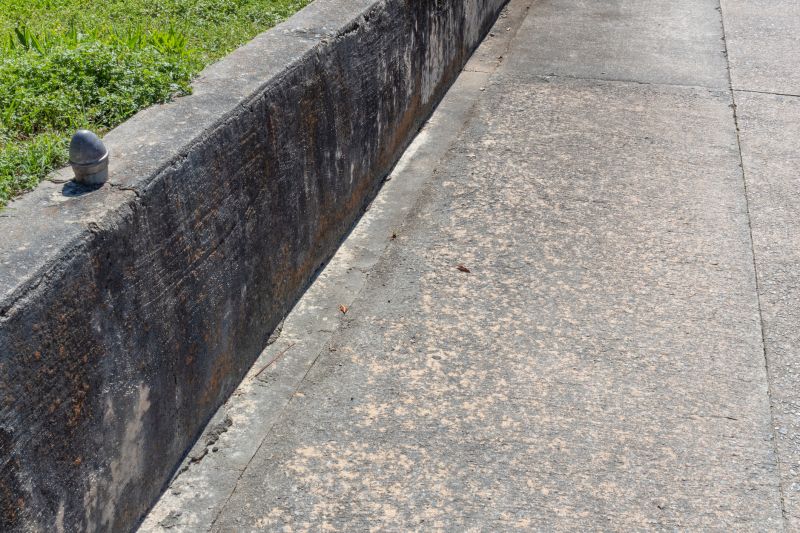
When homeowners explore options for finishing concrete walls, they often encounter the comparison between colored concrete walls and traditional concrete finishes. This search typically comes from individuals planning new construction projects, remodeling, or upgrading existing outdoor or interior surfaces. The focus is usually on how each finish affects the overall look, durability, and maintenance of the property. People interested in this topic are often seeking a way to enhance curb appeal, create a specific aesthetic, or improve the longevity of their concrete surfaces. Understanding the differences helps homeowners make informed decisions that align with their design goals and functional needs.
This topic is closely related to projects involving decorative or functional concrete applications. Problems often addressed include cracking, staining, or dull appearances of existing concrete surfaces, prompting a desire for more attractive or resilient finishes. Plans may involve creating feature walls in gardens, patios, driveways, or interior spaces that require a certain style or color scheme. Property types that frequently come up include residential homes, commercial storefronts, and community spaces. Each of these settings benefits from the expertise of local contractors who specialize in concrete finishing, ensuring the chosen style withstands environmental factors and daily wear.
Colored concrete walls are popular because they offer a broad palette of hues, allowing for customization to match personal tastes or property themes. They are created by adding pigments to the concrete mix or applying stains and dyes after the pour, resulting in vibrant, consistent color throughout the surface. Traditional concrete finishes, on the other hand, tend to focus on natural textures and appearances, such as exposed aggregate, brushed, or stamped finishes. These options emphasize the raw or textured look of concrete, often requiring less maintenance but offering fewer color options. Local service providers can guide homeowners through the selection process, helping them choose a finish that complements the property's style and functional needs.
Ultimately, choosing between colored concrete walls and traditional finishes depends on the desired look, budget, and the property's specific conditions. Local contractors experienced in concrete wall finishing can assess the site, recommend suitable options, and execute the project with skill. Whether a homeowner prefers the bold, colorful statement of a stained or pigmented wall or the understated elegance of a natural finish, professional service providers can help bring that vision to life. Connecting with these specialists ensures the finished project not only looks great but also stands up to the demands of the environment and daily use.
Stamped concrete projects - These projects involve detailed surface patterns and textures that require precise planning and skill, similar to colored concrete walls versus traditional finishes.
Exterior facade restoration - Restoring building exteriors with concrete finishes demands expertise in surface preparation and finishing techniques comparable to decorative concrete wall applications.
Driveway and patio installations - Installing durable and visually appealing concrete surfaces involves planning and finishing skills relevant to both colored and traditional concrete wall projects.
Concrete resurfacing and overlays - Applying surface overlays to existing concrete shares techniques with decorative wall finishes, emphasizing surface preparation and aesthetic treatment.
Architectural concrete features - Creating custom architectural elements involves detailed planning and finishing skills akin to those used in colored concrete wall designs.
Interior polished concrete floors - Achieving a smooth, glossy finish on floors requires surface preparation and finishing expertise similar to decorative concrete wall work.
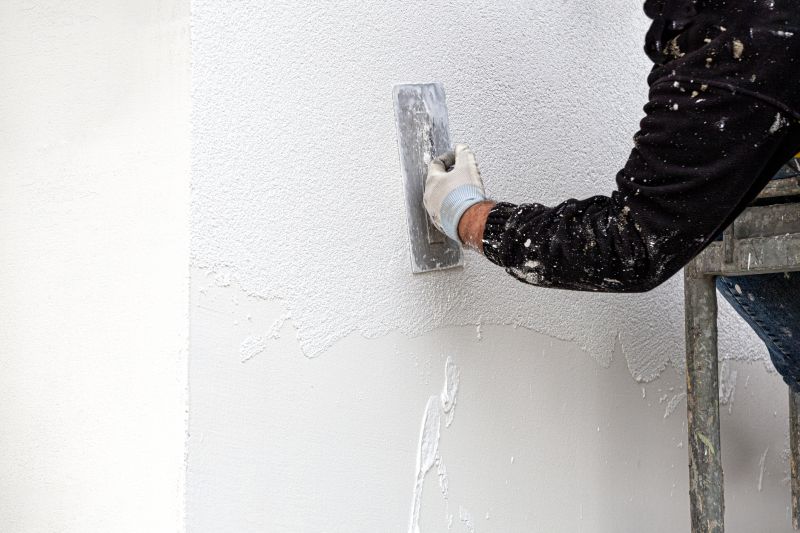
When evaluating service providers for concrete wall finishing, it is important to consider their experience with similar projects, particularly those involving colored concrete walls versus traditional concrete finishes. Homeowners should inquire about the types of projects the local contractors have completed and whether they have a proven track record working with the specific techniques and materials desired. An experienced contractor will understand the nuances of color application, surface preparation, and finishing methods unique to colored concrete, ensuring that the final result aligns with expectations and aesthetic goals.
Clear written expectations are essential when comparing local service providers for concrete wall finishing. Homeowners should seek detailed descriptions of the scope of work, the materials to be used, and the specific techniques involved in achieving the desired finish. Well-defined project outlines help prevent misunderstandings and provide a basis for evaluating whether a contractor's approach matches the homeowner’s vision. Additionally, reputable contractors can provide references or examples of completed projects that demonstrate their ability to deliver consistent quality in both colored concrete walls and traditional finishes.
Effective communication is a key factor in selecting the right local contractor for concrete wall finishing services. Homeowners should prioritize service providers who are responsive, transparent, and willing to answer questions about their methods and experience. Good communication ensures that expectations are aligned throughout the project, from initial planning through completion. By choosing contractors who communicate clearly and openly, homeowners can feel more confident that the project will be managed professionally, and that any concerns or adjustments can be addressed promptly, leading to a smoother overall experience.
Property owners often search for colored concrete walls vs. traditional concrete finishes when they are planning practical projects around their homes and businesses. Local pros provide Concrete Wall Finishing services for everyday jobs and straightforward project options.
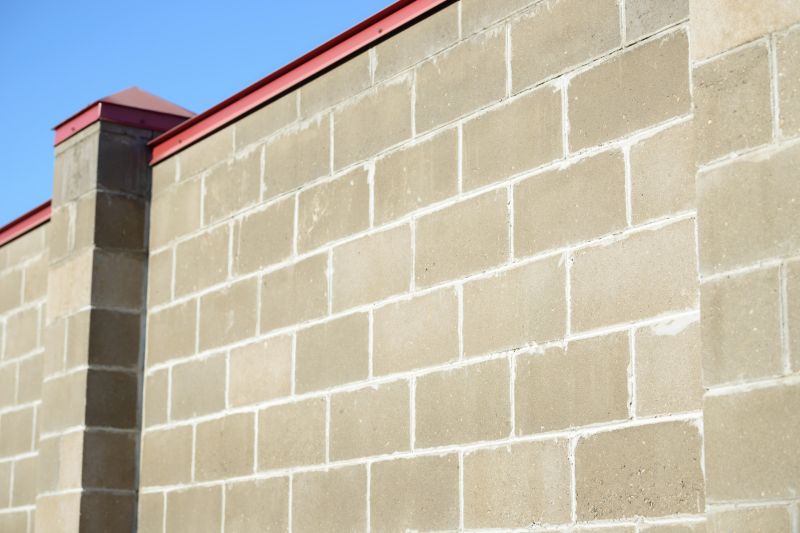
When considering concrete wall finishes for a property, many property owners in the area explore the differences between colored concrete walls and traditional concrete finishes. Colored concrete walls offer a vibrant, customized look that can enhance curb appeal and add personality to outdoor spaces, making them appealing for decorative purposes or to match specific design themes. On the other hand, traditional concrete finishes tend to provide a more classic, subdued appearance that emphasizes durability and simplicity. Homeowners often look up this topic when planning renovations or new construction projects, seeking guidance on which finish best complements their property's style and their maintenance preferences.
Local contractors specializing in concrete wall finishing can help property owners evaluate the advantages of each option based on their specific needs. Whether aiming for a bold, colorful statement or a straightforward, low-maintenance surface, these service providers can recommend suitable solutions and handle the installation process. Comparing options and connecting with experienced local pros ensures that the chosen finish aligns with the property's aesthetic goals and functional requirements, making the decision-making process clearer and more manageable.
What are the main differences between colored concrete walls and traditional concrete finishes? Colored concrete walls feature added pigments that provide vibrant or subtle hues, while traditional finishes typically have plain or stamped surfaces without color. Local contractors can help determine which option best suits specific aesthetic goals and structural needs.
Are colored concrete walls more durable than traditional concrete finishes? Both options can be durable, but colored concrete walls often have an added layer of protection due to the pigmentation process. Service providers can advise on the best finishing techniques to ensure longevity based on the environment.
Can colored concrete walls be customized to match specific design preferences? Yes, colored concrete walls offer a wide range of color options and finishes that can be tailored to individual styles. Local concrete finishing professionals can assist with selecting and applying the right colors and textures.
Do traditional concrete finishes require less maintenance than colored concrete walls? Traditional finishes may require less upkeep initially, but colored concrete walls can be sealed and maintained similarly. Local pros can provide guidance on maintenance practices for each type of finish.
Which type of concrete finish is more suitable for outdoor applications? Both colored concrete walls and traditional finishes can be used outdoors, but the choice depends on desired aesthetics and environmental exposure. Local contractors can recommend the most appropriate finish for outdoor durability and appearance.
Color selection options - Property owners can explore various color choices with local contractors to create unique and personalized concrete wall finishes that enhance the aesthetic of outdoor or indoor spaces.
Design versatility - Using colored concrete walls allows for creative design possibilities, such as patterns or color accents, which can be incorporated into practical projects like garden walls or feature walls.
Finish durability - Traditional concrete finishes may offer a more straightforward, long-lasting surface for high-traffic areas, while colored concrete walls can add visual interest without sacrificing strength.
Application techniques - Local service providers can help determine the best application methods for colored concrete versus traditional finishes, ensuring the desired look and performance for projects like patios or retaining walls.
If you are thinking about colored concrete walls vs. traditional concrete finishes for a property, this guide is meant to help you understand this topic, the typical project types, and how different options might fit your plans.
When you are ready, you can use the quote form on this page to share a few details about your project. From there, local pros can review the basics and follow up with options that match what you have in mind.